
Author: David Wilber
One of the most important annual events on the Hebrew calendar is the Passover meal and the seven-day Feast of Unleavened Bread. This powerful biblical holiday commemorates the Exodus story—the deliverance of Israel from their slavery in ancient Egypt. For Christians, this story is a prophetic picture of our own deliverance from our slavery to sin.
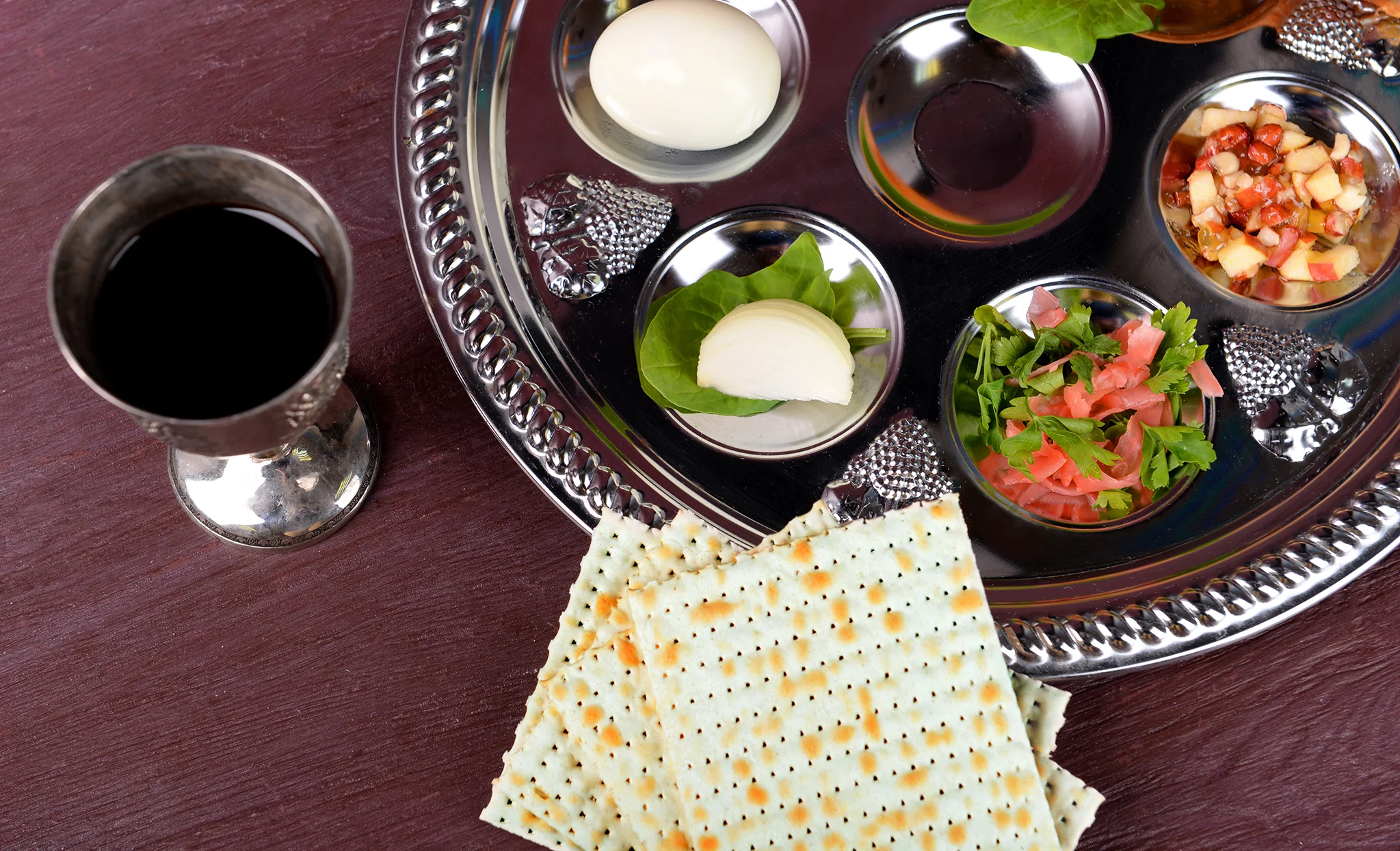
One of the most important annual events on the Hebrew calendar is the Passover meal and the seven-day Feast of Unleavened Bread. This powerful biblical holiday commemorates the Exodus story—the deliverance of Israel from their slavery in ancient Egypt. For Christians, this story is a prophetic picture of our own deliverance from our slavery to sin.

Did you know that God gives us physical things to do in order to teach us spiritual principles? Indeed, He didn’t give us a bunch of random commandments just to watch us jump through religious hoops. He is a loving Father, and His Torah (instructions) is designed to teach us His character and His truth. Every “jot and tittle” in God’s Word has a profound Spiritual purpose—whether or not we recognize it from our limited perspectives.

The Feast of Purim commemorates the deliverance of the Jewish people from the evil Prime Minister Haman's conspiracy to destroy them. It's a celebration of God's love and protection in the midst of a hostile world. What are some ways we can celebrate this joyful feast?

Hanukkah, also known as the Feast of Dedication or the Festival of Lights, is a holiday commemorating the rededication of the second Temple. It is a celebration of faith and uncompromising commitment to God’s Word as we remember the Maccabean revolt during which a small Jewish army fought against the forces of evil in their day and took back the Temple, cleansing it and rededicating it to God. How do we celebrate this amazing eight-day feast?

Christmas is celebrated every year on December 25 by millions of people around the world. Christians and non-Christians alike fully embrace the holiday season, observing many of its traditions, such as Christmas trees, mistletoe, Santa Claus, and of course gift giving. Does the Bible offer any insight into whether or not Christians should celebrate this holiday?

"Okay, I’ve been convinced that we as Christians should keep the Sabbath. Now what? How do I keep it?"

Solomon, the author of Ecclesiastes, wrote how there is a time for everything. There’s “a time to weep, and a time to laugh; a time to mourn, and a time to dance” (Ecclesiastes 3:4). The season of Sukkot is not the time of weeping and mourning. That time was during the month of Elul leading all the way up to Yom Kippur. Sukkot is the time of laughing and dancing. Indeed, God explicitly commands us to “rejoice” in this season!

The feast of Sukkot, more commonly known as the feast of of Tabernacles, marks the end of the biblical fall feasts. It’s the most joyous celebration on the Hebrew calendar as God’s people come together and celebrate before the Lord in anticipation for the return of the Messiah and the wedding supper of the Lamb.

Throughout the year there are several days that God declares to be “appointed times” in the Bible (Leviticus 23:2). These are special times that God told us to remember and observe. Yom Kippur—the Day of Atonement—is regarded as the most important of them all.

Did you know that God commands us to rejoice and make noise? Indeed, Yom Teruah—also known as the Feast of Trumpets or Rosh HaShanah—is an incredible celebration during which believers come together to worship the God of Israel with shouts of joy and the blast of the shofar as we look forward to the second coming of our Messiah, Yeshua (Jesus).

On the Hebrew Calendar, the month before the fall feast days is called Elul. In Judaism, this month is traditionally associated with the theme of repentance, or in Hebrew, teshuvah. It’s a time of introspection, reconciliation, and preparation.

Mark Jacob teaches on the manifestation of the Gifts of the Spirit in both the Old and New Testament.

David Wilber teaches on the counting of the Omer and how it relates to the Great Commission

Mark Jacob gives an overview of Passover and firstfruits and how it connects to the death and resurrection of Messiah Yeshua




Partner With Us!

Your support makes it possible for us to share the Word of God with people around the world through our weekly services and online media resources like this article. Partner with us in reaching the nations with the Gospel of Yeshua / Jesus and the truth of His Word!
The feast of Shavuot—better known as Pentecost—is one of the most amazing events on the Hebrew calendar. How do we as believers celebrate this biblical festival today?