
Author: David Wilber
The word gospel means "good news." It’s the story of Yeshua (Jesus) and all He has done for you. This story is the foundation for everything. But in order to really understand the good news, you must first hear the bad news.
The bad news...
Sin was brought into our world through Adam (Romans 5:12), and with sin came death, pain, suffering, and sorrow. Adam and Chavah (Eve) were told that when they ate from the tree of knowledge of good and evil, they would surely die. Since God is perfect and holy, He cannot dwell in the presence of sin. Therefore, the Bible says the wages of sin is death and eternal separation from God (Romans 6:23; 2 Thessalonians 1:9).
It wasn’t just Adam and Eve who ate from the tree. We all have. Indeed, the Bible says that all have sinned (Romans 3:23). Every time we choose to transgress God’s holy and perfect Law—His Torah—we are sinning according to the Bible (Romans 3:20; 7:7; 1 John 3:4). In essence, we are eating the fruit from the tree of knowledge of good and evil just like Adam and Eve did. And because of your sin, you will die and be separated from God for all eternity.
Now for the good news...
For God so loved the world that he gave his only Son, that whoever believes in him should not perish by have eternal life. (John 3:16)
God’s love for us is revealed through His Son, Yeshua the Messiah. Yeshua, God the Son, came to earth to die and save you from God’s judgment upon sinners. Through Yeshua’s sacrifice, you can be forgiven and have restored relationship with God.
Now I would remind you, brothers, of the gospel I preached to you, which you received, in which you stand, and by which you are being saved, if you hold fast to the word I preached to you—unless you believed in vain. For I delivered to you as of first importance what I also received: that Christ died for our sins in accordance with the Scriptures, that he was buried, that he was raised on the third day in accordance with the Scriptures. (1 Corinthians 15:1-4)
Yeshua’s death satisfied the requirement of the Torah and set us free from the death we deserve for our sin!
In order to be saved and restored to God, you must first acknowledge that you have sinned against God and therefore you are condemned to eternal destruction away from His presence. There is no way for salvation outside of the death, burial, and resurrection of Yeshua. When you believe that in your heart, then you must trust in Yeshua and confess your sins to God in humility. Ask Him to forgive you of your sins and cleanse you of all unrighteousness (1 John 1:9). Put your faith in Yeshua’s work on the cross and you will be saved.
After you have accepted the Messiah, then you must commit to making Him Lord over your life and follow Him all the rest of your days. Study the Bible every day and learn more about what it means to live like a follower of Yeshua. Surround yourself with a community of believers that have the same passion to be more like Yeshua every day. Being part of a local community of believers is critical for spiritual growth, accountability, and the maturity of spiritual gifts within the body.
If today you have accepted Yeshua and made the commitment to follow Him, we want to know! Please contact us so we can give you some resources and help you along the way.

Can you recall times in your life when you’ve lost control of your emotions? Perhaps it happens more often than you’d like to admit. We’ve all had heated moments where we’ve reacted out of anger or pain, often provoking others and dragging out arguments. What guidance do the Scriptures give us in these situations?

Is there a danger of leaving Jesus and the Gospel behind in our pursuit of Torah obedience?

Many of us carry around a deep sense of rejection, insecurity, and longing. We struggle to feel accepted, which sometimes drives us to unhealthy behavior. What does the Bible teach us about overcoming these feelings?

When the New Testament authors talk about Abraham, they always highlight his faith. Indeed, Abraham is most well known, both in Judaism and Christianity, for his great faith in the God of Israel. But Abraham also exhibited another important godly characteristic that is often overlooked: hospitality.

Our Messiah said that His return at the end of the age will be like the days of Noah. What can we learn from Noah's flood as it concerns the end days?

We are told in 1 John 4:1 and other passages to “test” the message of a teacher or prophet to see if what they say is truly from God. The reason is that “many false prophets have gone out into the world” and are leading believers astray. What are some of the identifying marks of a false teacher/prophet?

I love to be outside in Yahweh’s beautiful creation. Not too long ago, I spent some time in the woods. I was a good distance from the truck, but I didn’t realize it until the sky started to darken and I heard thunder. A storm was coming. But it was too late. I knew there was no way I’d make it back to my vehicle.

It is often said that believers ought not to judge. Indeed, “Judge not that you be not judged” is one of the most memorized Bible verses ever. Even people who have never read a Bible in their life will immediately quote that verse to silence anyone who might dare express disapproval toward them. But is it true that we are not to ever judge anyone?

As believers around the world are being drawn back to the roots of their Christian faith and thus embracing the lifestyle and teachings of Yeshua (Jesus) and the apostles, there are often questions about some major parts of the Torah. It’s easy for most people to acknowledge the validity of commandments like the Sabbath and dietary instructions, but what about the priesthood? What about animal sacrifices? Isn’t Yeshua our High Priest? Isn’t He our sacrifice?

Recently I was blessed to participate in an hour-long formal debate on the role of Torah in the lives of Christians. My opponent in the debate was Tony Yu, founder of the popular Facebook page, “Hebrew Roots Heresy.” The debate was hosted and moderated by Josh Tolley of The Josh Tolley Show.

Recently my wife Diana and I had the opportunity to travel to North Carolina to attend and speak at a conference. The weekend was wonderful, and I was so blessed by the encouragement from believers around the world. But I admit I didn’t feel that way at the beginning.

In Matthew 24, Yeshua (Jesus) told His followers to look for very specific signs that will mark the end of this present age and signify His Second Coming. But what are faithful followers of the Messiah supposed to do with these signs? How are we to live our lives as these signs begin to take place?

Have you ever heard the popular saying, “Hurt people hurt people”? The idea is that when someone acts like a jerk, someone else was likely a jerk to them. Someone planted that seed in his or her life. Thus, they don’t know what else to do except produce the fruit of death that comes forth from that seed.

During His famous sermon on the mount, Yeshua (Jesus) made it very clear to His audience what He was doing with regard to the Torah (Law) and Prophets. He told them not to think that He came to abolish them, but to fulfill them. What does that mean?

From the very beginning we see that God’s divine purpose for man includes being in community. Indeed, it was God Himself who said, "It is not good that man should be alone" (Genesis 2:18). God declared everything else in creation tov—good—but He apparently thought it was a problem that Adam didn’t have any fellowship. So, what did He do? He established the very first community of believers by creating Chavah (Eve), thus showing that His divine will for man is perfected in the fellowship and unity of His people.

Christmas is celebrated every year on December 25 by millions of people around the world. Christians and non-Christians alike fully embrace the holiday season, observing many of its traditions, such as Christmas trees, mistletoe, Santa Claus, and of course gift giving. Does the Bible offer any insight into whether or not Christians should celebrate this holiday?

There is perhaps no experience more painful than losing a loved one to death. What does the Bible say about finding comfort and hope in these difficult times?

"Okay, I’ve been convinced that we as Christians should keep the Sabbath. Now what? How do I keep it?"

In chapter one of Acts, Luke speaks of the miracles that Yeshua did to prove He was alive after He was resurrected. He appeared to the disciples and many others for forty days and taught them about the kingdom of Yahweh. This chapter is also where Yeshua tells the apostles to wait in Jerusalem for the gift that the Father had promised—the receiving of the Holy Ruach (Spirit).

Yeshua said that the world would know the Father sent Him when His followers are united (John 17:21). Therefore, we as believers have an important duty to try to maintain unity within the body of Messiah. But in order to work towards unity, we must first identify the cause of disunity.

The feast of Sukkot, more commonly known as the feast of of Tabernacles, marks the end of the biblical fall feasts. It’s the most joyous celebration on the Hebrew calendar as God’s people come together and celebrate before the Lord in anticipation for the return of the Messiah and the wedding supper of the Lamb.

Throughout the year there are several days that God declares to be “appointed times” in the Bible (Leviticus 23:2). These are special times that God told us to remember and observe. Yom Kippur—the Day of Atonement—is regarded as the most important of them all.

Did you know that God commands us to rejoice and make noise? Indeed, Yom Teruah—also known as the Feast of Trumpets or Rosh HaShanah—is an incredible celebration during which believers come together to worship the God of Israel with shouts of joy and the blast of the shofar as we look forward to the second coming of our Messiah, Yeshua (Jesus).

The greatest commandment in the Torah/Law of God includes loving the Lord your God with “all your mind” (Matthew 22:36-40). What does that mean?

The Bible says, "Be doers of the word, and not hearers only" (James 1:22). It’s not enough just to know about Torah. Followers of Yeshua must also live Torah. Part of that means keeping your word and not being flaky.

The word gospel means "good news." It’s the story of Yeshua (Jesus) and all He has done for you. This story is the foundation for everything.

Rodney Thompson speaks on what it really means to "come out from among them" (2 Corinthians 6:17).


Kelly Neumann gives insights from the book of Job and how to see God's goodness in the midst of suffering.


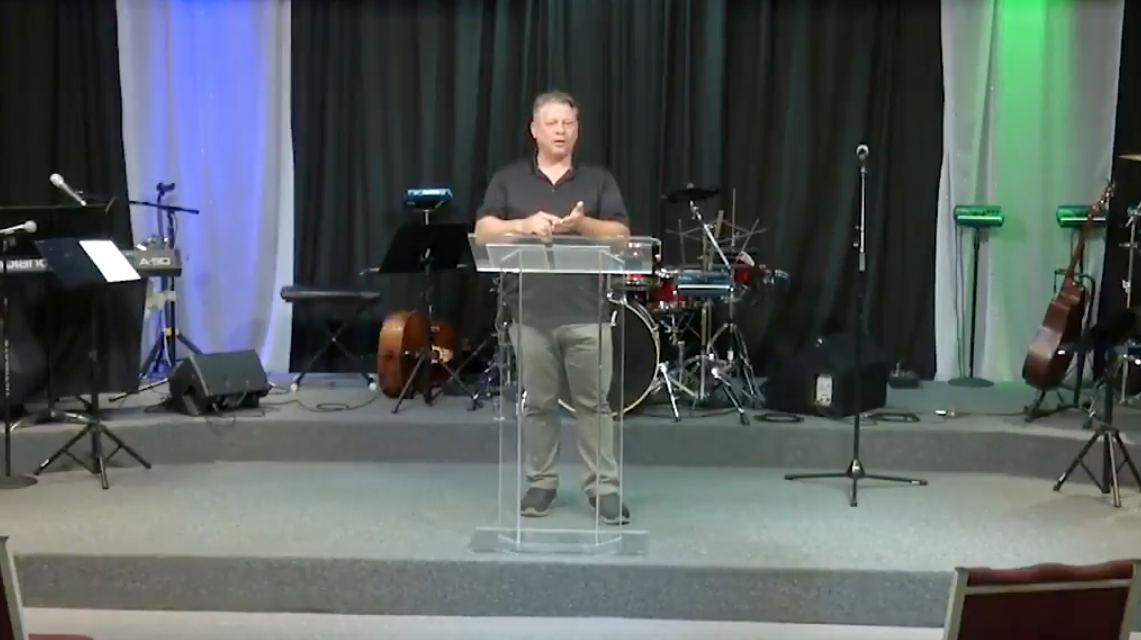
Jim Lindley speaks on King David's confrontation with the "5 Giants" and how that relates to spiritual warfare.

Paul Tremlin continues his series on the Fruit of the Spirit, this time covering "Goodness."
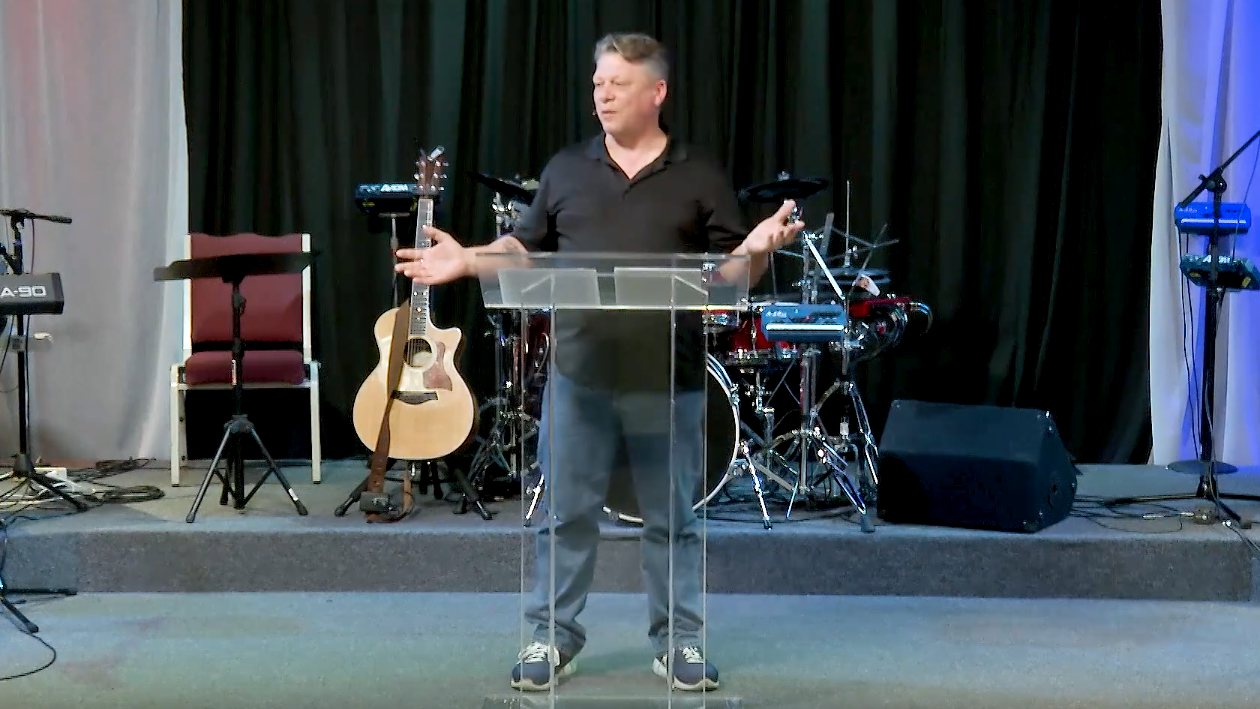

Mark Jacob teaches on the manifestation of the Gifts of the Spirit in both the Old and New Testament.


David Wilber teaches on the counting of the Omer and how it relates to the Great Commission

Mark Jacob gives an overview of Passover and firstfruits and how it connects to the death and resurrection of Messiah Yeshua


Pastor David Robinson digs up the root of spiritual apathy and unpacks how we can overcome by the Lord's help


Paul Tremlin dives into the Scriptures and science to understand the power of our words.

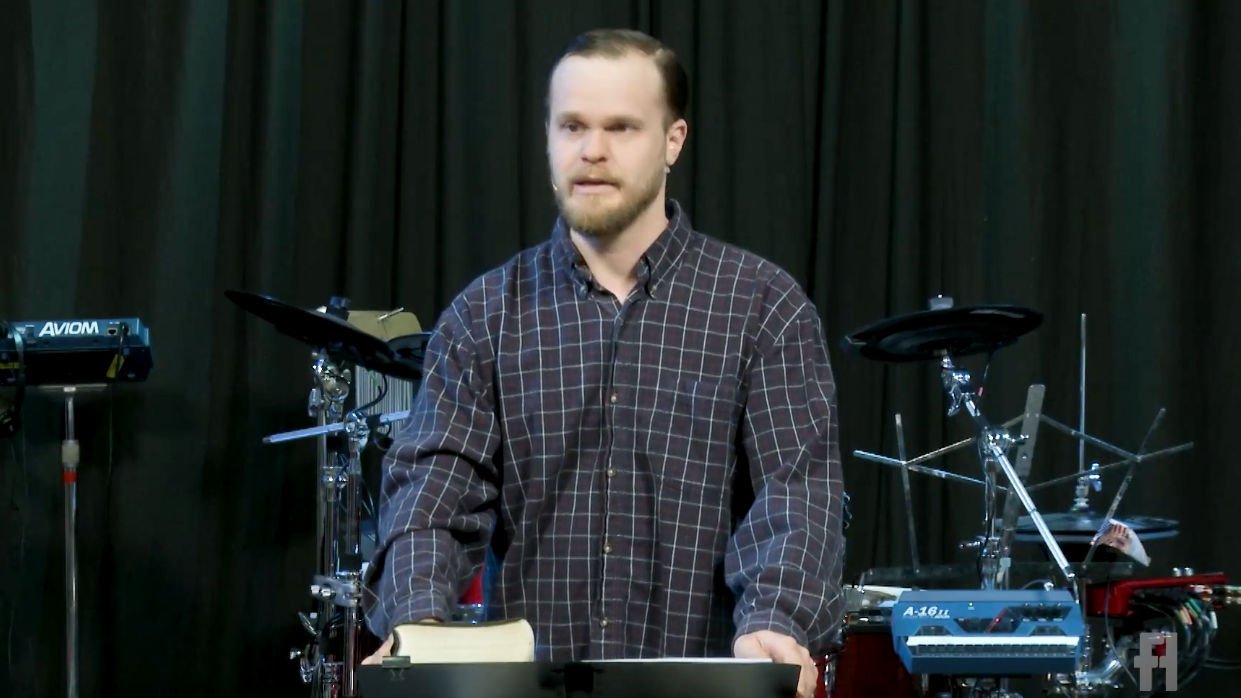


Pastor David Robinson goes over the plagues sent upon Egypt and how each plague was a direct judgment against the various false gods in Egypt.


Pastor David Wilber speaks on the tithe, what it is according to the Bible, and how it might apply today.
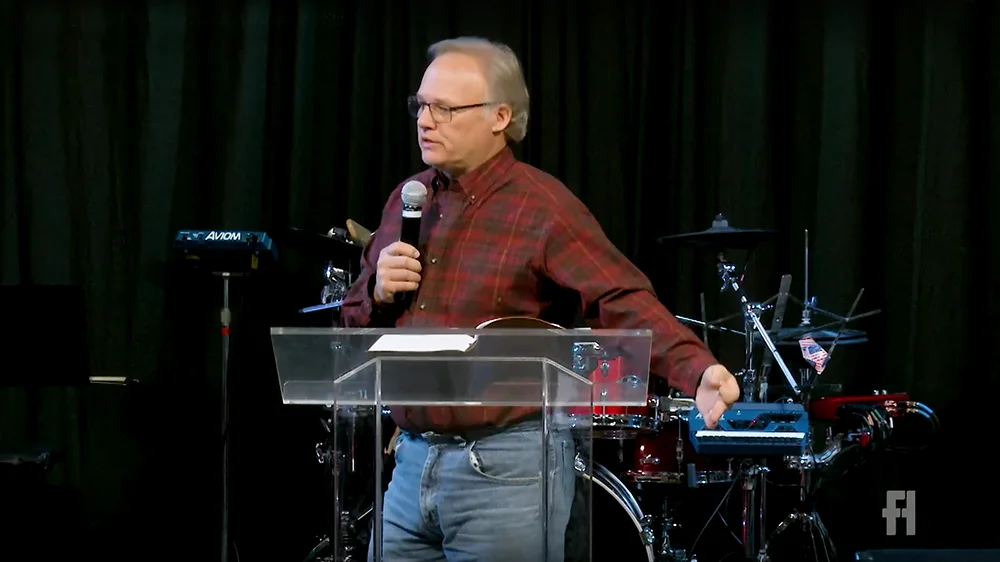
Guest speaker Bill Cloud speaks on rededication and trading our old garments for robes of righteousness.


Pastor David Robinson speaks on the history of Thanksgiving and what it means for Christians today.
Partner With Us

Your support makes it possible for us to share the Word of God with people around the world through our weekly services, live broadcast, and online media resources like this article. Partner with us in reaching the nations with the Gospel of Yeshua/Jesus and the truth of His Word!
On every 4th of July in America, we are reminded of the value of liberty. But liberty is not an American concept; it's a biblical concept. God created us to be free.